


Serverless Computing: Transforming Cloud Application Development
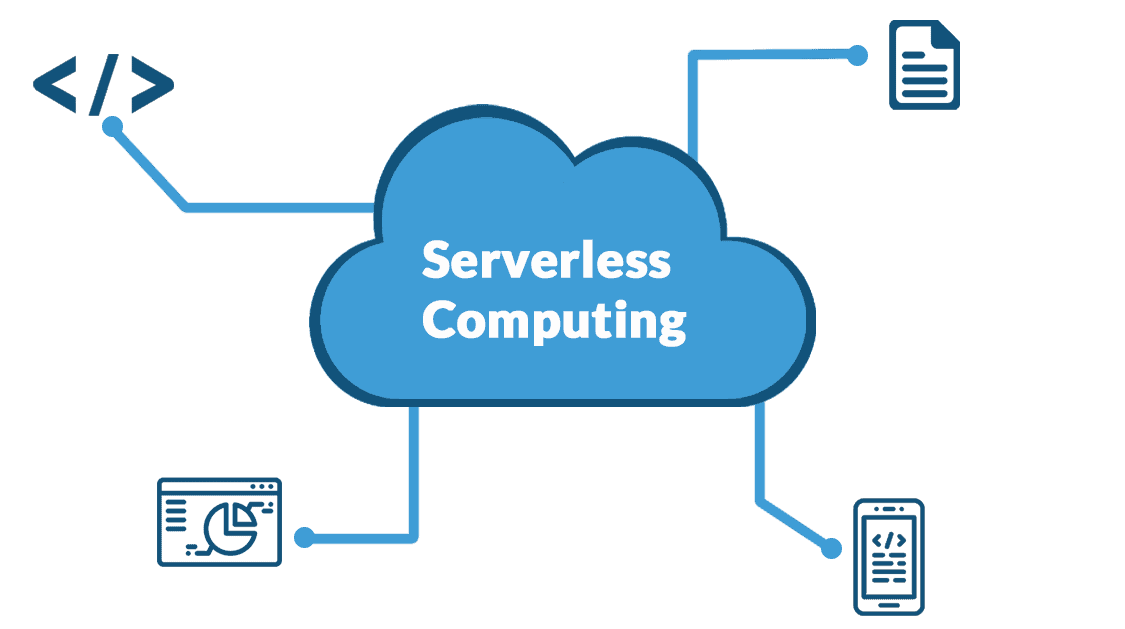
Serverless computing has emerged as a powerful cloud computing model that allows developers to build and run applications without managing servers or underlying infrastructure. In this approach, cloud service providers automatically handle resource provisioning, scaling, maintenance, and availability. Developers can focus entirely on writing code and delivering business functionality, making serverless computing an attractive option for organizations aiming to accelerate innovation and reduce operational complexity.
At its core, serverless computing is based on event-driven execution. Applications are broken into small, independent functions that are triggered by specific events such as API calls, database updates, file uploads, or scheduled tasks. These functions run only when needed and remain idle when not in use. This on-demand execution model ensures optimal resource utilization and eliminates the need to pay for idle infrastructure, which is common in traditional server-based architectures.
One of the key advantages of serverless computing is cost efficiency. Instead of paying for pre-allocated servers or virtual machines, organizations are charged only for the actual execution time and resources consumed by their functions. This pay-as-you-go pricing model is particularly beneficial for applications with variable or unpredictable workloads, as it aligns infrastructure costs directly with usage. For startups and enterprises alike, this can result in significant cost savings and improved budget control.
Scalability is another major benefit of serverless computing. Cloud providers automatically scale functions up or down based on demand, without requiring manual intervention. Whether an application receives a few requests or millions of concurrent users, the serverless platform adapts seamlessly. This makes serverless computing ideal for modern digital applications, including web services, mobile backends, data processing pipelines, and real-time analytics solutions.
From a development perspective, serverless computing enhances agility and productivity. By removing infrastructure management tasks, development teams can adopt faster release cycles and experiment more freely. Serverless architectures also integrate well with DevOps and microservices practices, enabling continuous integration, continuous deployment, and modular application design. As a result, organizations can respond more quickly to changing market demands and customer expectations.
Despite its advantages, serverless computing also presents certain challenges. Debugging and monitoring distributed serverless applications can be more complex than traditional systems. Cold start latency, where functions take longer to execute after periods of inactivity, can impact performance for time-sensitive applications. Additionally, reliance on specific cloud provider services may lead to vendor lock-in, which organizations must carefully evaluate when designing their architectures.
Overall, serverless computing represents a significant shift in how applications are developed and deployed in the cloud. By offering simplicity, scalability, and cost efficiency, it empowers businesses to innovate faster while reducing operational burdens. As cloud technologies continue to evolve, serverless computing is expected to play an increasingly important role in building flexible, resilient, and future-ready digital solutions.

 English
 Arabic
 French
 Spanish
 Portuguese
 Deutsch
 Turkish
 Dutch
Dutch
 Russian
 Romaian
 Portuguese (Brazil)
 Greek
Greek