


Detector de Plagio: Safeguarding Originality in the Digital World
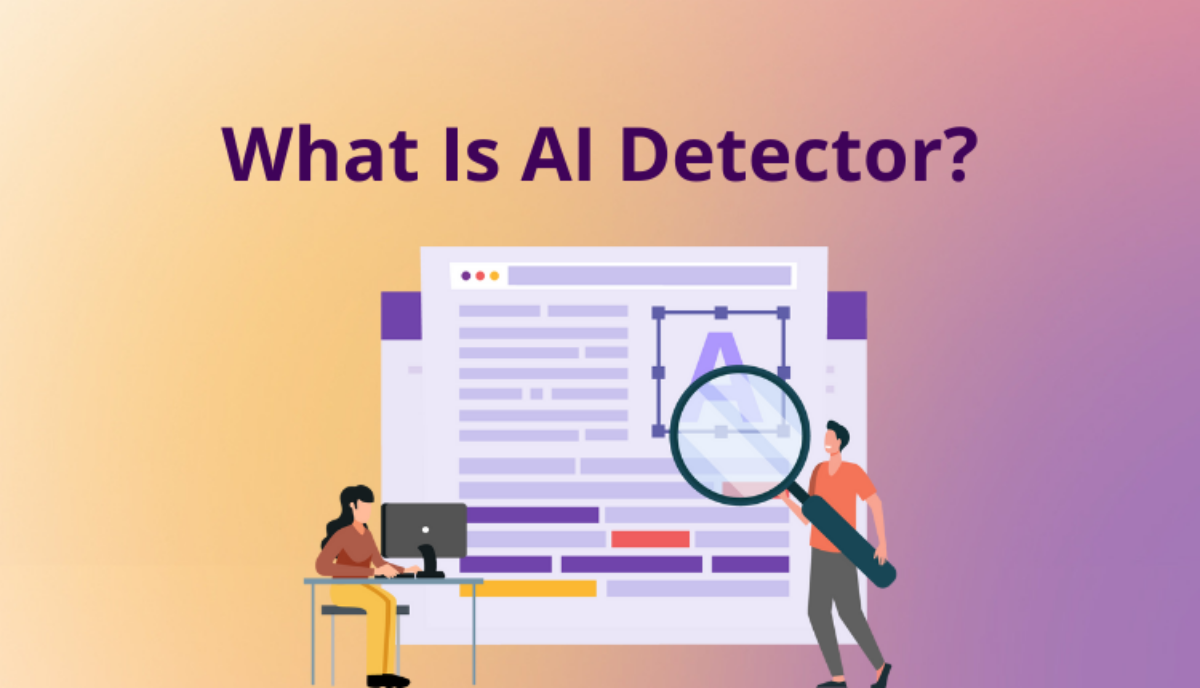
In an era where information is shared and reused at incredible speed, protecting originality has become more important than ever. Students, writers, educators, and businesses all face the challenge of ensuring that their work is truly their own. This is where a detector de plagio plays a crucial role. Designed to identify copied or improperly reused content, plagiarism detection tools help maintain integrity, credibility, and trust in written communication.
What Is a Detector de Plagio?
A detector de plagio is a digital tool that scans written text and compares it against a vast database of online sources, academic papers, and published materials. Its purpose is to identify similarities between the submitted content and existing works. When matching text is found, the tool highlights it and often provides the original source.
Unlike AI detection tools, which focus on how content is written, plagiarism detectors focus on where the content comes from. They help determine whether text has been copied directly, paraphrased too closely, or reused without proper citation.
Why Plagiarism Detection Is Important
Originality is a cornerstone of education, research, and professional writing. In academic environments, plagiarism can undermine learning and fairness. In publishing and journalism, it can damage reputations and legal standing. For businesses and website owners, duplicate content can harm brand trust and search engine rankings.
A detector de plagio helps prevent these issues by identifying potential problems before content is submitted or published. It encourages ethical writing practices and proper citation, supporting a culture of honesty and accountability.
How a Detector de Plagio Works
Plagiarism detection tools use advanced algorithms to compare submitted text against massive content databases. These databases may include websites, books, journals, student papers, and other digital publications. The tool breaks the text into smaller segments and checks for exact or near-exact matches.
Once the analysis is complete, the detector generates a report. This report typically shows a similarity percentage and highlights matched sections along with their sources. Users can then review the results and decide whether revisions or citations are needed.
Key Features of Modern Plagiarism Detectors
Modern plagiarism detectors offer more than basic matching. Many tools can detect paraphrased content, identify self-plagiarism, and support multiple languages. Some provide detailed similarity reports that help users understand the nature of the matches.
User-friendly interfaces and fast processing times are also important features. Today’s detector de plagio tools are designed to be accessible to both beginners and professionals, making originality checks quick and efficient.
Practical Uses Across Different Fields
Plagiarism detectors are widely used in education, where teachers and institutions rely on them to ensure academic honesty. Students also benefit by checking their work before submission and learning how to cite sources properly.
In content marketing and SEO, plagiarism detection is essential. Search engines favor unique content, and duplicate material can negatively affect rankings. A detector de plagio helps website owners publish original articles that add real value to readers.
Publishers, journalists, and researchers also use plagiarism detectors to maintain editorial standards and avoid legal or ethical issues related to content duplication.
Limitations of Plagiarism Detection Tools
While plagiarism detectors are highly effective, they are not perfect. Some tools may flag common phrases or technical terms that are difficult to rewrite. Others may miss content from sources that are not included in their databases.
For this reason, plagiarism reports should be reviewed carefully. Human judgment is essential to determine whether flagged content truly represents plagiarism or acceptable similarity.
Ethical Use of Plagiarism Detectors
Using a detector de plagio ethically means applying it as a learning and quality-control tool rather than a punishment mechanism. Writers should view detection results as guidance for improving originality and citation practices.
Transparency and education play a key role in ethical use. When people understand what plagiarism is and how to avoid it, detection tools become allies in creating better, more responsible content.
The Future of Plagiarism Detection
As digital content continues to grow, plagiarism detection tools will evolve alongside it. Future systems may use artificial intelligence to better understand context, meaning, and paraphrasing. This will improve accuracy and reduce false positives.
Plagiarism detection will remain an essential part of content creation, supporting originality in an increasingly connected world.
Conclusion
A detector de plagio IA is an indispensable tool for anyone who values originality and credibility. By identifying copied or improperly reused content, it helps protect intellectual property and encourages ethical writing practices. While no tool can replace human judgment, plagiarism detectors provide powerful support in maintaining integrity across education, publishing, and digital media.

 English
 Arabic
 French
 Spanish
 Portuguese
 Deutsch
 Dutch
Dutch
 Italiano
 Russian
 Romaian
 Portuguese (Brazil)
 Greek
Greek