


The Growth of Digital Health: Examining the Strong Fitness App Industry CAGR
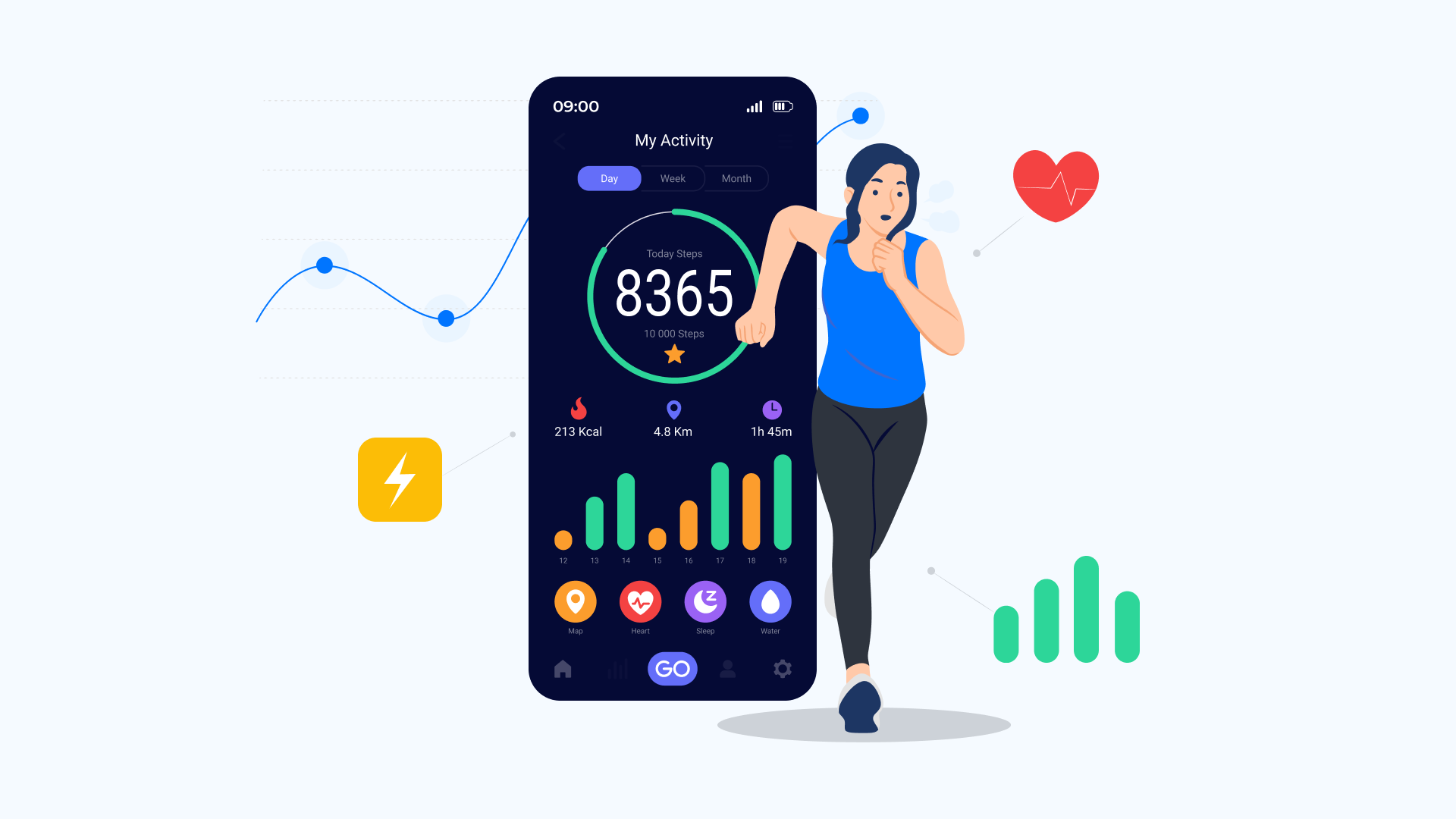
The financial outlook for the mobile health and wellness sector is exceptionally strong, reflecting its central role in the modern consumer's lifestyle. Industry analysts are consistently forecasting a powerful double-digit Fitness App Industry CAGR (Compound Annual Growth Rate) for the foreseeable future. This impressive growth rate is a direct result of the convergence of several major trends: the universal adoption of smartphones, the increasing popularity of wearable technology, and a global cultural shift towards proactive health management. The high CAGR signifies strong and sustained consumer spending on fitness app subscriptions and related services. This expansion is not a temporary fad but a long-term structural change in how people engage with their fitness, cementing the fitness app as a major and highly valuable category within the broader digital content and services market.
Several powerful, next-generation factors are working in concert to fuel this remarkable CAGR. The most significant of these is the increasing sophistication and personalization of the apps, driven by Artificial Intelligence (AI). AI is being used to create dynamic workout plans that adapt in real-time to a user's performance and feedback. It powers personalized nutrition recommendations and can even analyze a user's form through their smartphone camera to provide real-time corrective feedback. The rise of connected fitness hardware, such as smart bikes from Peloton or smart rowing machines from Hydrow, is another major driver. These devices are tightly integrated with their own subscription-based content apps, creating a powerful and sticky "ecosystem" model that generates significant recurring revenue and drives the overall market growth.
From a regional perspective, the market's growth is a global phenomenon. North America currently holds the largest market share, driven by high smartphone and wearable penetration, high disposable incomes, and a strong and mature fitness culture. The region is home to many of the leading fitness app companies and has a large and engaged user base willing to pay for premium subscriptions. However, the Asia-Pacific (APAC) region is projected to be the fastest-growing market. This surge is being fueled by a rapidly growing middle class with increasing health awareness, a massive mobile-first population, and a booming wellness industry in countries like China and India. The popularity of fitness influencers and social fitness trends in the region is also a major catalyst for app adoption.
The long-term implications of such a high and sustained CAGR are transformative for the traditional fitness and healthcare industries. The fitness app industry is increasingly competing with traditional gyms, offering a more convenient and often more affordable alternative. This is forcing gyms to evolve and to integrate digital offerings into their business models. In the long term, the vast amounts of health data being collected by these apps have the potential to have a major impact on preventative healthcare. This data could be used (with user consent) to provide early warnings of potential health issues and to provide a more holistic view of a patient's lifestyle to their doctor. This strong growth trajectory points to a future where our smartphones and wearables become our primary partners in managing our lifelong health and well-being.
Top Trending Reports:

 English
 Arabic
 French
 Spanish
 Portuguese
 Deutsch
 Turkish
 Dutch
Dutch
 Italiano
 Russian
 Romaian
 Greek
Greek